

Hākari Matariki: Celebrating Together at Lincoln North Kindergarten
Auckland Kindergarten Association’s Lincoln North Kindergarten celebrates Matariki together with whānau, kai, waiata, stories and moments for reflection. We kōrero with Liz Reedy, Head Teacher, about what it means to honour (whakamana) the different cultures around us, the value of coming together and connecting through whakawhanaungatanga and kai.
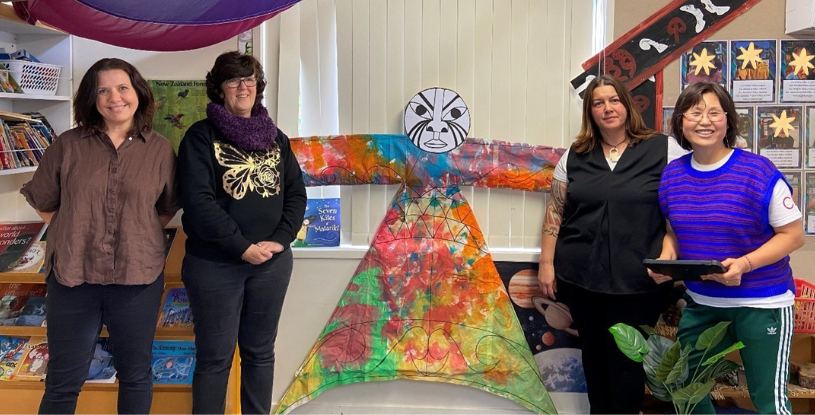
Q: Tell us about Lincoln North Kindergarten - what’s your teaching philosophy, and what does that look like in everyday practice?
A: Lincoln North Kindy has served this community for over 50 years. It’s generational. We have had four or five generations come through this kindy.
It’s important for those tamariki (children) who are Māori to understand their heritage and grassroot connections as tangata whenua (people of the land). Our children from diverse cultures can continue to explore, experience and immerse themselves learning new things while making connections to tangata whenua and we learn from the children.
I try to recreate the feeling of ‘this is going to Aunty’s house’. When they come, this is their whare (house). This is especially for those who have come to New Zealand with no whānau or community networks and is an invitation that we can be their whānau too.
Q: How do you honour (whakamana) the different cultures in your kindergarten, especially through language, kai, and celebrations?
A: Who doesn’t like kai? Making connections through whakawhanaungatanga and sharing kai and culture - whatever they want to share with no pressure.
Trying to create a culture of ‘we come together to eat as a whānau’ and having that be comfortable. That sense of belonging that we try to generate for our tamariki, we also try to generate for our whānau.
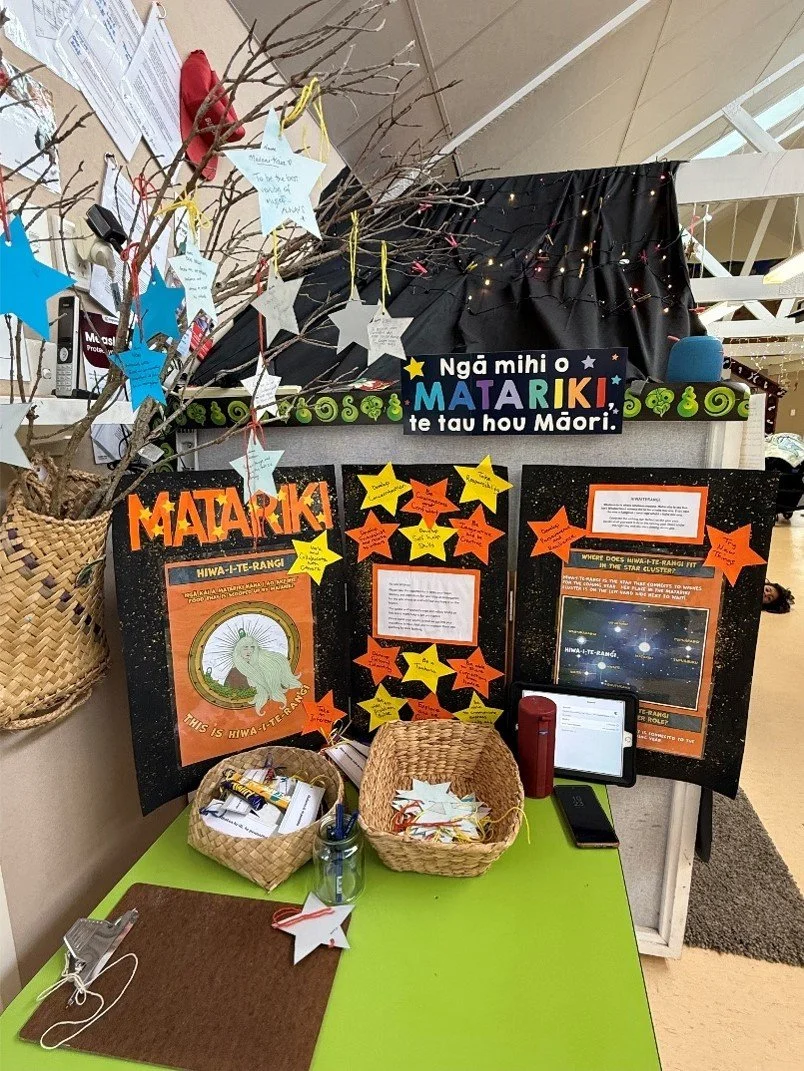
Q: How is Lincoln North Kindergarten celebrating Matariki this year, and are there any themes you’re focusing on with tamariki?
A: Matariki was introduced into the curriculum in the last 10-15 years but we have to bring it back to the basics of what our children and whānau understand. The best way to do it for me is pukapuka kōrero or pūrākau - telling stories and waiata (songs). Who doesn’t love waiata? Children love rhythm, they love to dance, they love to sing.
This year, the Matariki theme for 2026 is Matariki herenga waka (Matariki is the mooring place for all canoes) - and we’re all in the waka together - all cultures, all people and that’s how we are celebrating it this year. Hākari (celebration) brings people together.
We have our waiata that we have been teaching tamariki but we have a few whānau from different cultures and they are going to share their cultural waiata as well.
Q: How do you see kai (or shared moments around kai) helping tamariki learn, connect and thrive?
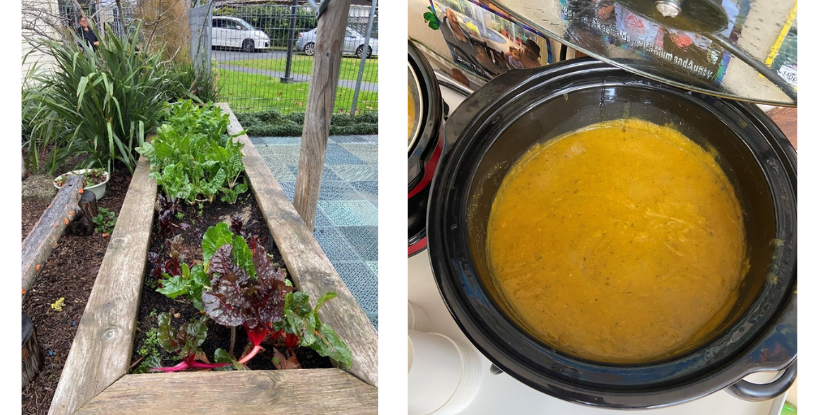
A: We grow veges every year so we’ve made soups (we do soups because hangi takes a bit too long). In our soup we have veges from our māra kai (like silverbeet). So tamariki watch the garden grow and then they help harvest. We have an orange tree in the backyard so we’ll go out there and they harvest them - we’re trying to get the kids to understand where food comes from and what they can do with it.
We cook with our children here. It’s all learning. Two of my kaiako never even cooked before we did the KidsCan food programme. To me, it’s education. We’re teaching our tamariki how to eat and cook.
Q: Do you include whānau in cultural celebrations and what does that involvement mean for tamariki?
A: We try to. We believe that to whakamana culture is to embrace as much as we can. Whānau will either send through a cultural dress or they’ll come in and bring cultural kai, explain what it is and when they would eat it and share with us. There are so many cultures it’s really hard to capture them all. Our lineage is how we got here.
Q: How do you engage with whānau and build strong partnerships?
A: In ECE (I’ve been doing this for 25 years), it is the hardest thing to do - to keep those connections open, honest and alive. For me, it’s if you feel confident, safe and you’ve created a safe space. If it’s rigid and clinical, you feel like you’re the parent and I’m the teacher than we’re going to get nowhere.
Happy families = happy children. Same with my team, happy team = happy whare. It’s always a work in progress. There’s no one size fits all for that one.
Q: Matariki is a time of reflection and new beginnings, what hopes do you have for your tamariki as you look ahead?
A: We do the best we can to create a space where they can maximise their own reflections in their own space in their own time. We’re just planting that seed and hopefully somewhere along the way, someone else comes and waters that. We get them hungry for learning.
Ngā Tamariki Puāwai o Tāmaki | Auckland Kindergarten Association, established in 1908, is not-for-profit and provides quality, accessible early childhood education in 112 kindergartens and centres.
Recipe card